The "Impossible" Shot: Why New Zealand’s Toughest Environments Demand a Rare Breed of Technical Mastery
By: Leon Rose Commercial and Industrial photography
It was a cold, gusty morning on a wind farm overlooking the Cook Strait. The task? Capture the internal gearbox alignment of a turbine while it was locked for maintenance. The space was cramped, the lighting was non-existent, and the vibration from the neighbouring turbines was enough to blur any standard shot.
Most people think you just point a high-end camera and click. They couldn’t be more wrong. In that moment, the camera didn't matter. What mattered was the "Slight of Hand"—the technical intuition developed over decades of standing in places most people avoid.
The Psychology of the Industrial Image
When you look at a photograph of a massive infrastructure project or a precision manufacturing line, you aren't just looking at steel and concrete. You are looking at authority.
In the world of B2B procurement and high-level project management, the quality of your visual documentation dictates your perceived competence. If your progress photos look amateur, your stakeholders subconsciously wonder if your engineering is amateur, too. That is the "first impression" hurdle, and in New Zealand's competitive industrial sector, you only get one chance to clear it.
Precision from Above: The Drone as a Surgical Tool
In industrial photography, a drone is not a toy for "pretty pictures". It is a sophisticated aerial platform for data acquisition. To operate a drone over a live New Zealand construction site requires more than a pilot’s licence; it requires a deep understanding of photogrammetry and spatial awareness.
We aren't just flying; we are calculating. We navigate the "invisible" hazards—electromagnetic interference from power lines and the unpredictable microclimates of the Waikato or Otago. The result isn't just a photo; it’s a high-resolution map of your project’s success, captured with a level of stability that defies the Kiwi wind.
The Speed of Light: Freezing the Industrial Heartbeat
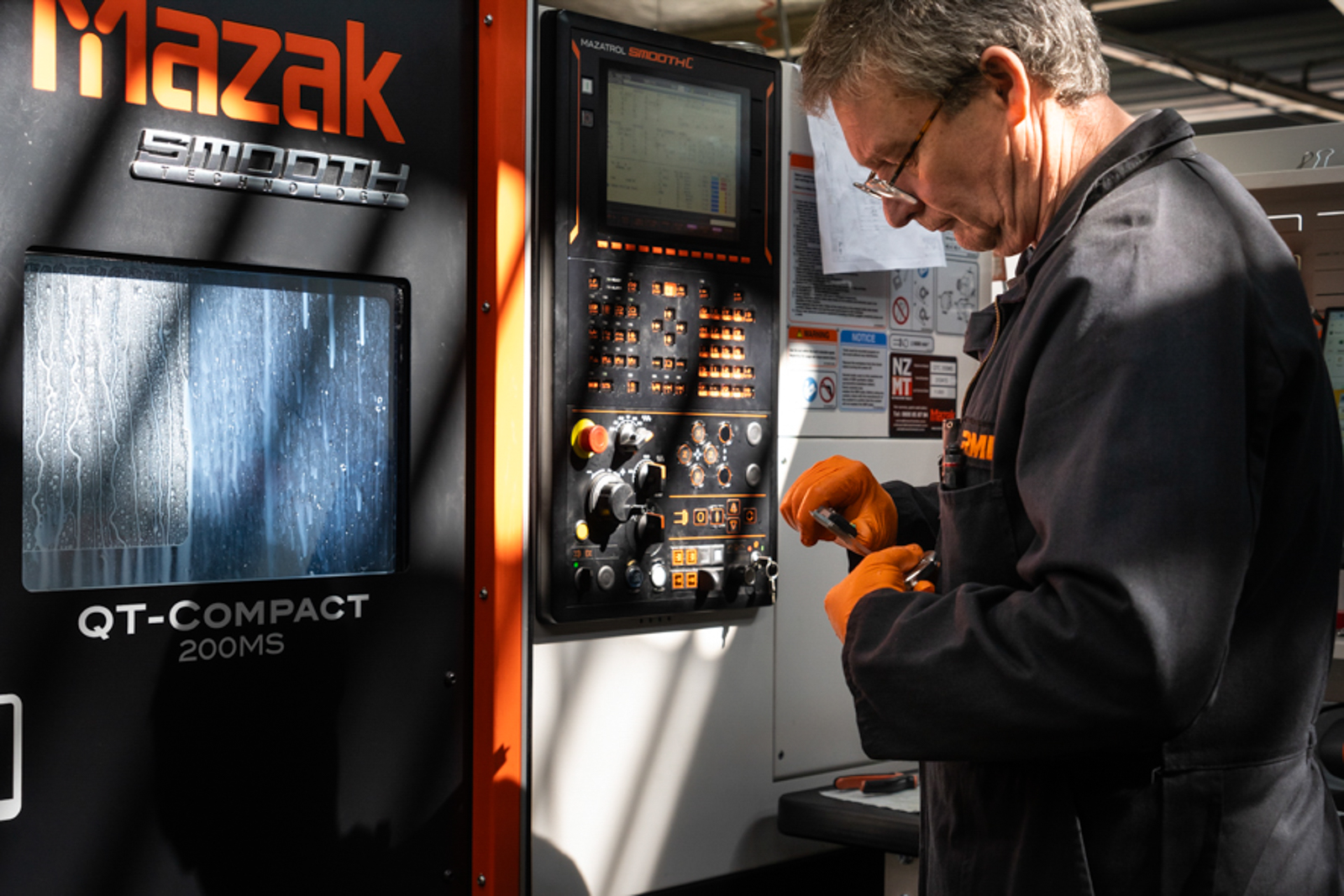
Have you ever tried to photograph a high-speed CNC machine or a geothermal steam vent? To the naked eye, it’s a blur. To an amateur, it’s a mess of digital noise.
Technical mastery in high-speed capture is about "slicing time". It requires the ability to synchronise specialised lighting with mechanical cycles that happen in milliseconds. This isn't about the camera’s burst mode. It’s about the photographer’s ability to understand the physics of the machine. When we freeze that motion, we reveal the integrity of your process, providing visuals that serve as both marketing gold and invaluable technical records.
The Unspoken Requirement: Safety as a Second Language
In New Zealand, "She'll be right" is dead. Today, SiteSafe and rigorous H&S protocols are the law of the land.
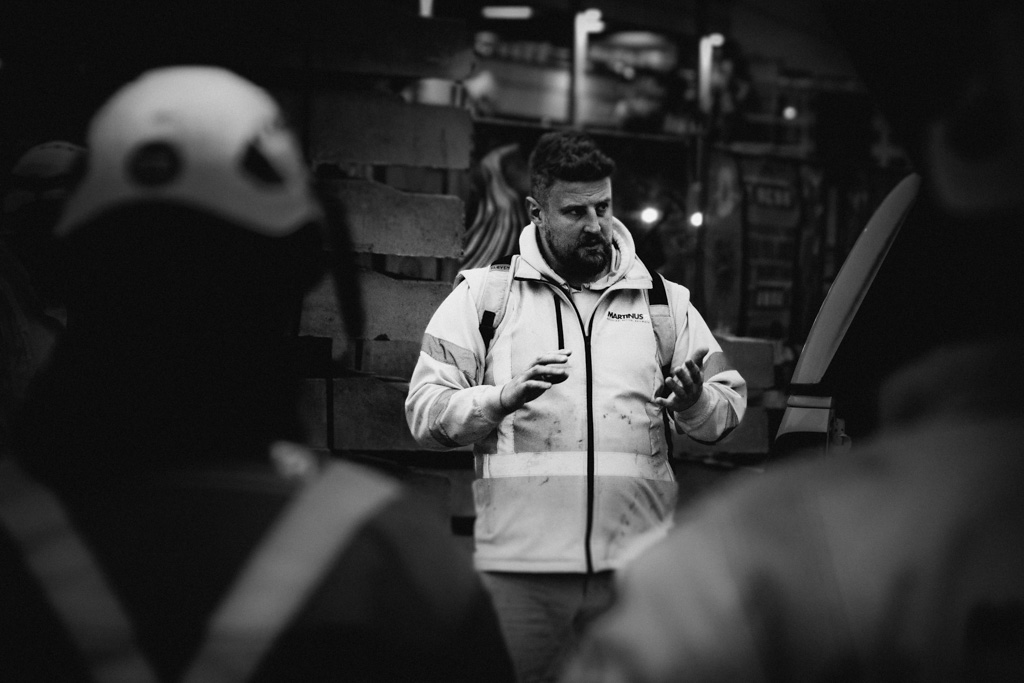
An expert industrial photographer doesn't "adjust" to your safety culture; they are a part of it. We arrive on-site fully equipped with compliant PPE and a deep respect for exclusion zones. Why does this matter to you? Because the last thing a project manager needs is a "creative" who becomes a liability. True expertise means getting the "impossible" shot without ever crossing the yellow line.
Why the "Expert" Always Costs Less Than the "Amateur"
It sounds like a paradox, doesn't it? But consider the cost of a missed deadline, a shut-down production line, or a safety violation.
The value of an expert isn't in their gear bag; it's in their problem-solving DNA. We know how to work around your crew without slowing them down. We know how to find the "hero angle" in a gritty, grease-stained factory. We deliver images that satisfy the Board of Directors, the Marketing Department, and the Safety Auditors simultaneously.
The Verdict: Technical Excellence is Your Best Asset
As New Zealand continues to build, manufacture, and innovate, the need for authoritative visual storytelling has never been higher. You are building the future of this country. Don’t trust the documentation of that legacy to someone who just "takes pictures". Trust someone who understands the weight, the heat, and the precision of the work.
Would you like me to analyse your current project site virtually (via Google Maps or project plans) and provide a "Technical Shot List" of the high-risk, high-value areas we should prioritise?